
The Allure of Chance
The psychological pull of casino games often stems from their inherent unpredictability, which is reminiscent of various other activities, including those found among casinos sister sites . This uncertainty can create a heightened sense of excitement, compelling players to take risks that they might avoid in other contexts. The thrill of potentially winning big taps into our natural desire for reward, stimulating the brain’s pleasure centers much like addictive substances. This phenomenon is often described in terms of intermittent reinforcement, where players receive unpredictable rewards, reinforcing their behavior even in the face of losses. The element of chance is not just a feature of these games; it is a core aspect that keeps players returning for more.
Moreover, the spectacle of casinos—complete with bright lights, sounds, and designs—enhances the psychological experience. Each element is meticulously crafted to keep players engaged. The design of the gaming floor, often lacking windows and clocks, creates a disorienting space where time seems to vanish. This environment makes it easy for players to lose track of their time and money, further deepening their immersion in the experience. The sensory overload can be both exhilarating and disorienting, creating a surreal atmosphere that encourages prolonged gameplay.
The dopamine rush associated with wins, even small ones, can easily cloud judgment. Many players experience a euphoric state during gameplay, which encourages them to continue betting. The psychological concept of loss aversion also plays a critical role here. Players are often more motivated to avoid losses than to achieve gains, which can lead them to chase their losses, exhibiting behaviors akin to addiction, driven by hope and desperation. This cycle of betting often obscures rational decision-making, as players become entrapped in the thrill of potential rewards while minimizing the risks of their diminishing bankrolls.
The Role of Social Interaction
Casino games are not only about individual play; they also serve as social hubs that foster interaction among players. The communal experience of gambling can enhance enjoyment and create a sense of belonging. Many players enjoy the camaraderie that forms at poker tables or around slot machines, as they share the highs and lows of their experiences. This social aspect can enhance the overall experience, making players feel more engaged and invested in their outcomes. The shared excitement and disappointment can create bonds among strangers, turning gambling into a social event rather than a solitary activity.
Additionally, the presence of other players can heighten emotional stakes. Observing someone win can evoke feelings of excitement, envy, or motivation. This social comparison often leads individuals to increase their bets, hoping to replicate the success they witness. Studies suggest that the emotional responses elicited in social environments can significantly influence gambling behavior, often making people more likely to take risks than if they were playing alone. Such dynamics can amplify the thrill of the game, as the atmosphere becomes charged with collective anticipation and anxiety.
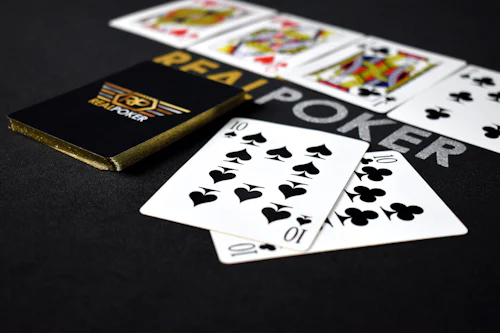
Moreover, the psychology of social gambling can also be manipulated by casinos themselves. Promotions and tournaments are structured to encourage group play and collaboration, fostering a vibrant community atmosphere. This strategy not only keeps the gaming floor lively but also serves to create a buzz that can lure in more players, as the energy of the crowd can be contagious. The synergy between players often leads to shared victories and collective support in losses, enhancing the overall gambling experience. This social dimension can be a powerful driver of continued engagement, as players find themselves drawn into the communal aspects of the gaming experience.
The Impact of Cognitive Biases
Cognitive biases are prevalent in gambling and play a significant role in how players perceive their chances to win. The “gambler’s fallacy,” for example, is a common cognitive bias where individuals believe that past events influence future outcomes in games of chance. A player may think that after a series of losses, they are ‘due’ for a win, leading them to bet more aggressively. This irrational belief can result in significant financial losses, fueled by hope rather than reality. Understanding this bias is crucial, as it can help players recognize when they are falling prey to flawed thinking.
Another crucial bias is the illusion of control, where players believe they can influence the outcomes of random events. This tendency is particularly visible in games like blackjack or poker, where skill and strategy exist but luck still plays a pivotal role. Players may overestimate their abilities, leading them to take more risks than they should. This overconfidence can turn into a dangerous cycle of betting, as players continue to seek validation of their perceived skill. The interplay between skill and luck can create a false sense of security, encouraging players to engage in riskier behaviors.
Further exacerbating these biases is the role of marketing and branding by casinos. Advertisements often highlight winning stories and extravagant lifestyles associated with gambling, skewing the perception of what is possible. The glamor surrounding casinos can draw in new players, who may enter with unrealistic expectations. This disconnect from reality can lead to an ongoing cycle of wagering, fueled by a mixture of cognitive biases and emotional highs, making it difficult for players to recognize their limitations. As promotional materials often focus on the thrill of winning while downplaying the risks, players may find themselves ill-equipped to navigate the volatility of gambling experiences.
The Mechanics of Game Design
Game design in casinos is a fascinating intersection of psychology and entertainment. Developers utilize principles of behavioral psychology to craft games that keep players engaged. For instance, the use of sound effects, visual stimuli, and reward schedules are meticulously designed to create a captivating experience. When players win, even in small amounts, the corresponding audio cues and animations serve to reinforce that success, encouraging them to continue playing in search of more rewards. The orchestration of these elements is not accidental; it’s a calculated strategy to prolong engagement and maximize player investment.

The concept of “near misses,” where players come close to winning but ultimately lose, is another powerful design tactic. These near misses stimulate players’ desire to continue gambling, as they often interpret them as being close to success. The psychological impact of these moments can be profound, fostering the belief that they have a better chance of winning than they actually do. This manipulation of player perception keeps individuals engaged far longer than they might otherwise be. The anticipation of a potential win creates a compelling narrative that draws players deeper into the gaming experience.
Finally, research into slot machines reveals that the design of the interface, such as the arrangement of symbols and the pacing of spins, is crafted to induce dopamine releases. Unlike traditional games with fixed payouts, modern slots often feature dynamic odds that can also incorporate elements of skill. This hybrid model blurs the lines between chance and control, appealing to players’ desires for agency while still keeping them rooted in a game of luck. This intricate balance is a testament to the sophistication of casino game design, expertly designed to keep players engaged and continually coming back for more.
Understanding the Online Casino Experience
The rise of online casinos has transformed how players engage with gambling, introducing new psychological dynamics. The convenience of access allows individuals to gamble anytime and anywhere, which can lead to increased instances of impulsivity. With fewer social interactions, players may find themselves more vulnerable to cognitive biases without the grounding influence of their peers. This isolation can perpetuate gambling behaviors that might not manifest in a traditional casino setting, as the absence of a communal atmosphere can diminish accountability.
Moreover, the gamification of online platforms introduces layers of rewards and incentives, further entrenching players into a cycle of gambling. Features such as loyalty programs, personalized promotions, and interactive interfaces are designed to keep players engaged. These elements reinforce a sense of achievement, which can be addictive in itself. The constant stimulation provided by notifications and reward alerts can lead to compulsive behavior, as players chase the next win or bonus opportunity. Understanding these mechanisms is essential for players to navigate the online gambling landscape responsibly.
As online casinos continue to grow, it’s essential for players to approach gambling with awareness of these psychological factors. Strategies for responsible gaming must be emphasized, especially in an environment where the barriers to entry are so low. Online platforms can implement measures to promote healthier gambling habits, such as self-exclusion options, spending limits, and educational resources about risk awareness, empowering players to make informed choices and avoid falling into detrimental patterns. Ultimately, fostering a culture of responsible gambling is crucial to ensuring that players can enjoy the experience without succumbing to its potential pitfalls.